A Burning Question: How Does Cremation Work?
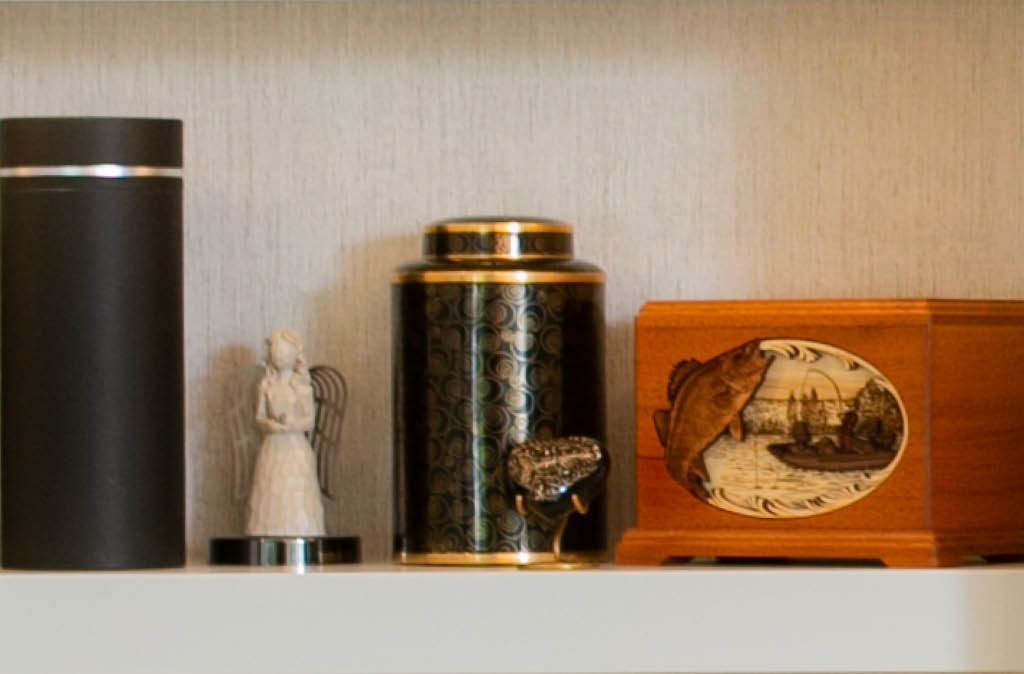
What Is Cremation?
Cremation is the process of reducing the body to cremated remains through intense heat and flame. Our crematory chamber, called a retort, is brick-lined and heavily insulated to withstand high temperatures.
Your loved one is placed into the chamber in what is called an alternative container, a dignified, combustible container (often reinforced cardboard) that allows for safe handling and protects the staff and environment.
How Hot Does a Cremation Chamber Get?
The cremation chamber typically operates at temperatures between 1,600° and 1,800°F. A single cremation generally takes two to three hours, though this varies.
- Bodies with higher natural body fat burn more quickly and hotter.
- Smaller body types generally require less time.
- Bodies over 300 pounds require special procedures and are always cremated first in a cold chamber to prevent uncontrolled combustion.
Yes, improper handling in some facilities has caused accidental structure fires. We prevent this with training, care, and protocol.
What Remains After Cremation?
When the cremation is complete, what remains are naturally brittle bone fragments, not soot or ash like in a fireplace. These fragments are:
- Cooled
- Processed into a fine consistency
- Sifted to remove non-organic materials such as surgical screws or artificial joints
We ensure these metals are properly recycled. At O’Connell’s, we donate the proceeds back into local nonprofit organizations—something unethical funeral homes or crematories often choose not to do.
Cremated remains are typically white or light gray in color. If remains appear dark or black, it usually means the cremation was not completed properly. Quality and experience matter.
Is More Than One Person Ever Cremated at Once?
It may seem like a question no one would need to ask—but famfilies ask it often:
Is more than one person ever cremated at the same time?
By law, only one person may be placed in a retort at a time. At O’Connell’s, we do this not simply because the law requires it, but because it is the right and ethical thing to do.
What Safeguards Are in Place?
From the moment your loved one comes into our care, we follow a rigorous identification process:
- An identification bracelet is placed on your loved one immediately.
- The alternative cremation container is clearly labeled.
- A titanium identification disc, which does not cremate, is assigned and accompanies your loved one before, during, and after the cremation.
- All steps are documented in a permanent log.
Our Commitment to Security and Respect
We own and operate our own crematory, and our cremations are carried out by licensed crematory operators, not a third party. This provides security, accountability, and peace of mind.
For families who desire a greater sense of connection and finality, we offer Witnessed Cremation, allowing loved ones to be present as the cremation begins. For many families, this provides the final step of understanding, honoring, and letting go.
Sincerely,
Mike O’Connell
O’Connell Family Funeral Homes