Grief: The Backseat Driver
"You need to get out more." "You have to stay busy." "You should be feeling better by now." "It's time to move forward."
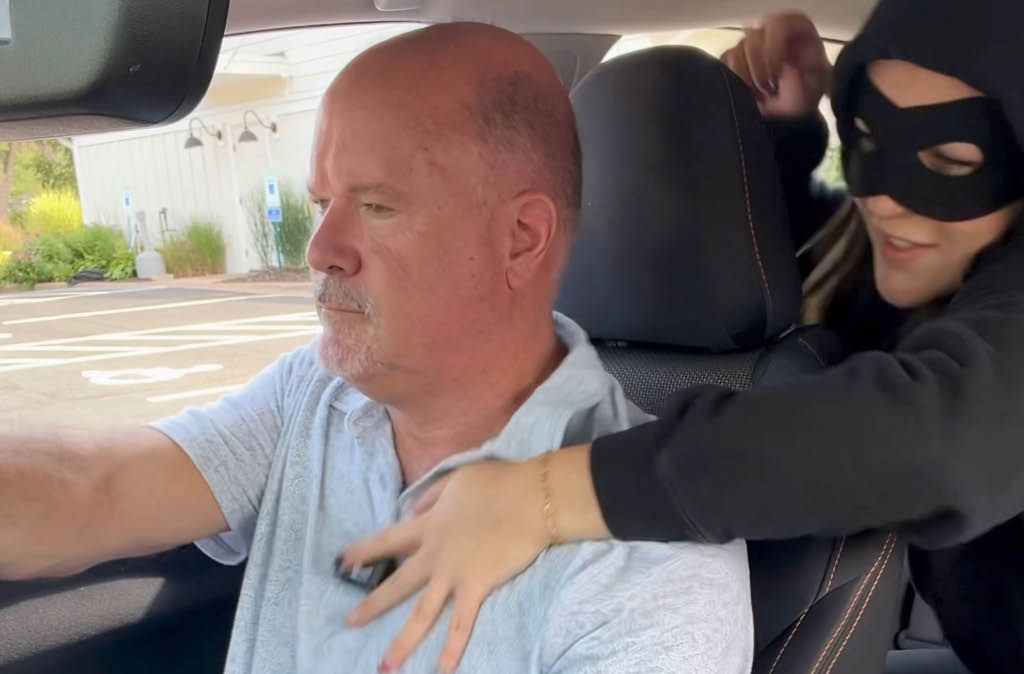
After someone we love dies, it can suddenly seem as though everyone has directions for how we should grieve. They become backseat drivers.
Everyone Has Directions for Grief
Most of the time, these comments come from a good place. Friends and family want to help. It is difficult to sit in their own discomfort when they see others struggle. They don't like seeing someone they care about hurting, so they offer advice, encouragement, or a roadmap based on their own experiences.
But grief doesn't come with GPS. There is no single route through loss, and there certainly isn't a timetable telling us when we should arrive at some imaginary destination called "over it."
Whose Grief Is It Anyway?
One person may want to talk about their loved one constantly. Someone else may need quiet. One person may return to work quickly because routine helps. Another may struggle simply getting through the morning. Some people cry easily. Others rarely cry at all.
None of these reactions necessarily tells us how deeply someone loved or how profoundly they are grieving.
The trouble begins when we start measuring our grief against someone else's expectations.
Should I still be this sad? Why aren't I crying more? Everyone thinks I'm doing well. Why don't I feel that way? It's been a year. Shouldn't I be farther along?
Suddenly, instead of experiencing our own grief, we're judging it.
Grief Doesn't Follow Someone Else's Directions
There may also be moments when other people's advice is helpful. Someone who has experienced a similar loss may recognize something we haven't yet discovered. A trusted friend, grief counselor, support group, clergy member, or other professional can offer valuable support.
Listening to someone doesn't mean handing them the steering wheel.
Healthy grieving means discovering what helps you acknowledge the loss and continue living while maintaining the connection and memories that remain important to you.
That might mean talking about the person who died. Visiting the cemetery. Looking through photographs. Returning to a favorite place. Spending time alone. Laughing about an old story. Or simply allowing yourself to have a difficult day without believing you've somehow failed.
You Are Allowed to Find Your Own Way
Grief isn't a problem that someone else can solve for us. It's an experience we gradually learn to carry.
So when the voices from the backseat start getting loud, it may help to remember: You can listen without following every direction.
There will be wrong turns. There will be unexpected detours. Some days will feel easier than others.
That's okay.
Because when it comes to grief, nobody sitting in the backseat knows the road quite like the person actually traveling it!
Sincerely,
Mike O'Connell
O'Connell Family Funeral Homes