When Grief Takes the Wheel: Why Grief Can Sneak Up on You

You can be having a perfectly ordinary day. You’re driving to work. Walking through the grocery store. Cleaning the house. Going out to eat. Maybe you’re laughing with friends and, for a while, life feels almost normal again.
Then you smell fresh cut grass, you see a certain color of a car, or that certain song is played on the radio. You reach for the phone to call someone who is no longer there. You drive past a favorite restaurant. Or you hear someone laugh in a way that sounds remarkably familiar.
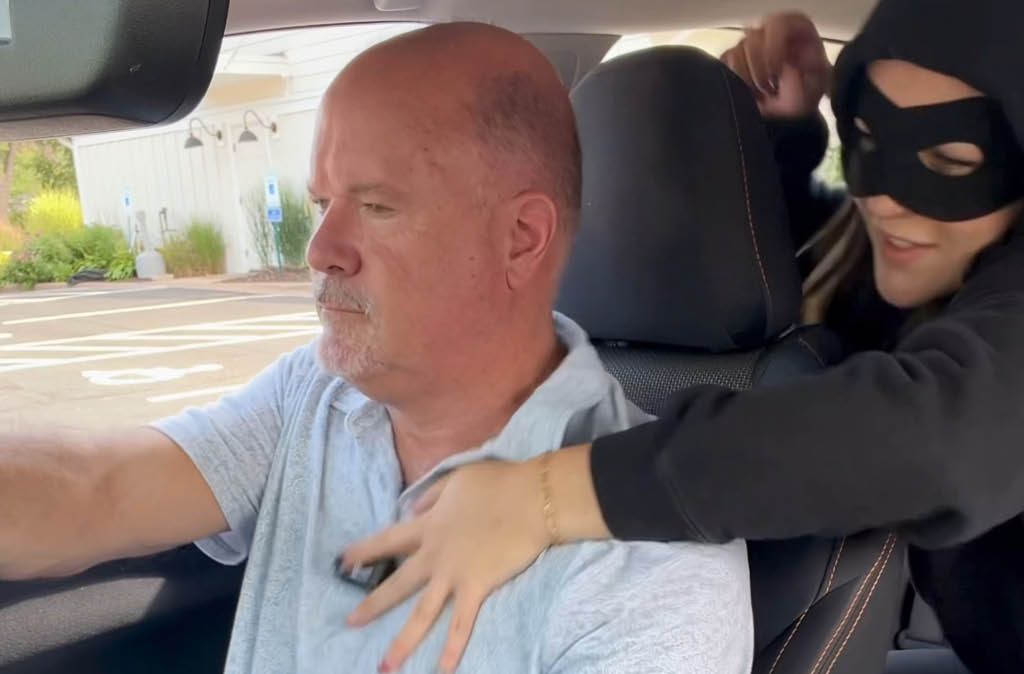
And suddenly, grief takes the wheel.
Grief Can Arrive Without Warning
One of the most difficult things about grief is its unpredictability. We sometimes expect grief to follow a steady path: unbearable in the beginning, a little easier next month, easier still the month after that.
We’ve been taught grief comes in stages, one after the next.
It’s not true!
But grief rarely behaves so neatly.
You may go days or weeks feeling as though you are doing pretty well, only to have a seemingly insignificant moment bring the loss rushing back.
Even years after a death, a song, scent, sight, or memory can bring a powerful wave of grief.
That is a common part of grieving, not signs that you’ve somehow gone backward.
Why Does Grief Sneak Up on Us?
Our relationships show up in thousands of ordinary pieces of our lives. Morning coffee. Sunday phone calls. Holidays. Certain foods. Inside jokes. A chair at the kitchen table or pew at church.
When someone dies, those connections don’t simply disappear.
In fact, part of grieving involves learning how to live in a world where our brain still expects that person to be part of those familiar routines.
You may even instinctively reach for the phone to call them before remembering that you can’t, well after the person has died.
That’s why grief can arrive without an invitation.
Grief and Happiness Can Exist Together
And sometimes the trigger isn’t sad at all. It might be a wonderful memory. You can smile and cry at the same time.
Grief and happiness aren’t mutually exclusive.
When Grief Grabs the Wheel
When grief grabs the wheel, our instinct may be to fight it: Why am I still doing this? I thought I was doing better.
Instead, give yourself permission to experience the moment.
Take a breath.
Remember the person.
Tell yourself the story of what you’re feeling.
Cry if you need to. Laugh if that’s what the memory brings.
Regardless, don’t push it off. Feel it.
Grief doesn’t follow a timetable, and there isn’t a finish line you’re supposed to reach.
Over time, grief often changes. The waves may come less frequently, and we become better at recognizing them when they arrive.
You learn something important:
Grief taking the wheel for a moment doesn’t mean you’ve lost your way.
It simply means someone important to you is still part of the road you’ve traveled.
Sincerely,
Mike O’Connell
O’Connell Family Funeral Homes